
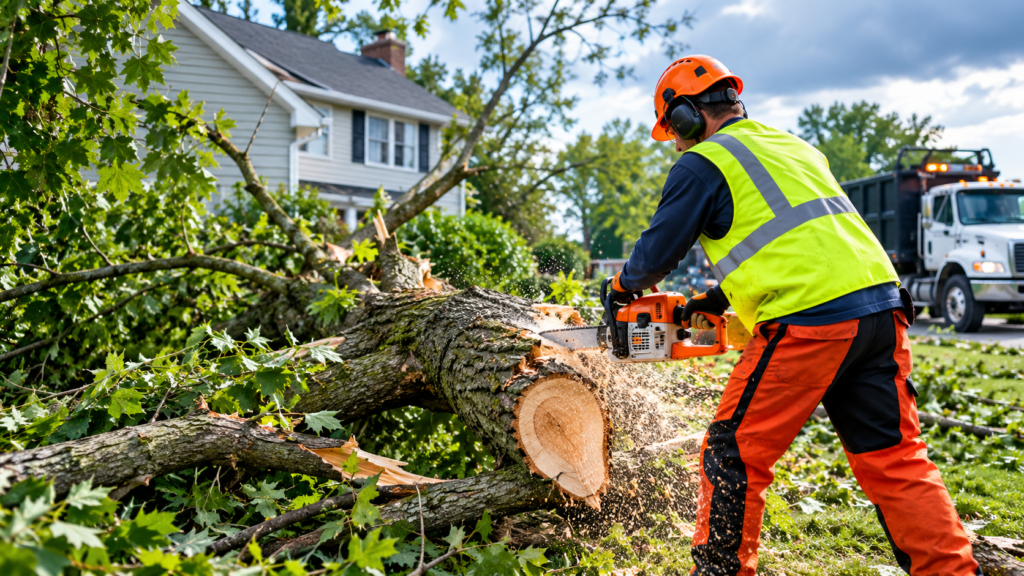
Emergency Tree Removal: What to Do Right Now (Action Guide)
A tree doesn’t ask permission before it comes down. One minute it’s just another maple in the yard, and the next it’s resting on a roofline, a power line, or a driveway after a wind event or an ice storm rolled through Western New York overnight.
If you’re in that situation right now, this guide is written to get you through the first hour safely, then walk you through what emergency tree removal actually involves.
Quick Answer
If a tree has fallen on your home, blocked an exit, or is touching a power line, get everyone away from the area first, then call 911 if there’s an active safety threat or a downed line, and call a licensed emergency tree removal company after that. Don’t attempt to move a fallen tree yourself, especially near power lines or a damaged structure; that work requires trained crews and the right equipment.
First: Get People Safe
Before anything else, get everyone- family, pets, neighbors- away from the tree and the area immediately around it. A tree that’s already down can still shift, especially if it’s resting against a structure or another tree under tension.
If branches are cracked but still attached, or the tree is leaning and hasn’t fully fallen, that’s often more dangerous than one that’s already flat on the ground, because it can move without warning.
If the tree brought down a power line, treat every line as live regardless of whether it looks damaged or dead. Stay at least 25 feet back, keep others back too, and call 911 or your utility company immediately.
This isn’t a step to skip or rush past; downed lines are one of the most serious risks in any storm damage tree removal situation, and they’re not something a tree crew can address until the utility company confirms the line is de-energized.
When to Call 911 vs. an Emergency Tree Company
Not every fallen tree is a 911 situation, but some clearly are. Call 911 first if there’s a downed power line, if someone is injured or trapped, if the tree has significantly damaged a structure with people possibly still inside, or if it’s blocking the only exit route from a home during an active emergency like a fire or medical situation.
If the immediate danger is contained, the tree is down, nobody’s hurt, and there’s no live wire involved, the next call is to an emergency tree service. A reputable 24-hour tree service can typically get a crew out faster than people expect, especially for trees blocking a driveway, resting on a roof, or leaning dangerously toward a structure.
Emergency tree removal near me searches spike heavily during and right after major storms, which tells you how common this situation actually is across the region.
What Emergency Tree Removal Actually Involves
Emergency tree removal isn’t the same process as a scheduled, planned removal. Crews assess the situation on arrival, checking for tension in the wood, evaluating whether the tree is stable enough to approach, and identifying any hazards like broken branches still hanging overhead, often called “widowmakers” for good reason.
That assessment happens before any cutting starts, because rushing straight into removal without evaluating the load and tension on a fallen or leaning tree is how injuries happen.
From there, the work usually involves sectioning the tree into manageable pieces, removing debris from structures or vehicles carefully to avoid additional damage, and clearing access points like driveways or walkways first if those are blocking further emergency response.
If the tree is still partially attached to the stump or leaning against another structure, stabilizing or safely felling it comes before any cleanup begins.
Storm Damage Tree Removal: What Comes After the Storm
Storm damage tree removal often involves more than just the one tree that came down. After significant wind or ice events, it’s common to find other trees on the property with hidden damage, cracked limbs, split trunks, or root systems loosened by saturated ground that aren’t obviously dangerous yet but could fail later.
A thorough emergency tree service will often flag these during the initial visit, even if the immediate job is just removing the one tree that already fell.
Ice storms create a specific kind of damage that’s worth understanding. Ice adds significant weight to branches, and trees can hold up under that load for hours before suddenly failing, sometimes well after the storm has technically passed.
This delayed-failure pattern is why checking trees again a day or two after an ice event matters, even if everything looked fine immediately afterward.
Working With Insurance After Tree Damage
If a tree damaged your home, garage, fence, or vehicle, documentation matters before cleanup starts. Photograph the damage from multiple angles before anything is moved, if it’s safe to do so without delaying urgent removal.
Most homeowners insurance policies cover tree removal when the tree has damaged a covered structure, though coverage for removing a tree that fell without causing structural damage varies by policy; that’s a question worth a direct call to your insurance provider rather than an assumption either way.
Keep any invoices or estimates from the emergency tree removal company, since insurers typically want documentation of the work performed and the cost, particularly for larger claims involving structural repair alongside tree removal.
Immediate Tree Removal vs. Waiting
Not every damaged or leaning tree needs immediate tree removal the same day. If a tree is clearly unstable, hanging over a structure, or blocking essential access, same-day removal is the right call.
But if a tree has some damage and isn’t posing an active threat, say, a cracked limb high up with no immediate risk of falling on anything, it may be reasonable to have it assessed and scheduled for removal within a few days rather than treated as a true emergency.
This distinction matters because true emergency response, especially after a widespread storm, gets prioritized for the highest-risk situations first. A tree company fielding dozens of calls after a major wind event has to triage; trees threatening structures or blocking access come before ones that are simply damaged but stable.
Why Response Time Varies After Major Storms
During a large-scale storm event across Western New York, it’s common for tree companies to be stretched thin, sometimes fielding more calls than crews can address in a single day. This isn’t unique to any one company; it’s the nature of a widespread event affecting many properties at once.
A company with multiple crews and equipment ready to mobilize can generally respond faster than a smaller outfit during these periods, which is worth knowing if you’re comparing options during an active emergency rather than researching ahead of time.
If you’re not in an active emergency but want a provider on hand before the next storm hits, it’s worth having a relationship with a tree company already established, including knowing who to call and roughly what their emergency response looks like, rather than searching cold during the next crisis.
What to Ask an Emergency Tree Service on the Phone
When you’re on the phone during an active situation, a few quick questions help set expectations. Ask how soon a crew can realistically arrive, given current call volume. Ask whether they carry liability insurance, since work involving damaged structures and unstable trees carries real risk.
Ask if they can provide documentation for insurance purposes. And ask directly whether the situation you’re describing sounds like something that needs to wait for daylight or can be safely handled after dark, since working around a compromised tree at night adds real risk that a reputable company will be upfront about.
At Galbraith Tree & Shrub, we’ve responded to enough storm damage tree removal calls across Buffalo, Geneseo, and the surrounding Western New York area to know that the first hour after a tree comes down is about safety, not speed.
Getting people clear of the area and identifying real hazards like downed lines matters more than rushing a crew to the property before that assessment happens.
If you’re dealing with a fallen or damaged tree right now, or you want a 24-hour tree service you can call the next time a storm rolls through, Galbraith Tree & Shrub is available to talk through what you’re seeing and what the right next step looks like.
Frequently Asked Questions
What should I do first if a tree falls on my house?
Get everyone out of the immediate area and check for downed power lines before anything else. Call 911 if there’s a live wire or anyone is injured, then contact an emergency tree removal company once the immediate danger is contained.
How fast can emergency tree removal companies respond?
Response time depends on storm severity and call volume. A single fallen tree with no widespread damage nearby often gets same-day service. During major regional storms, response may take longer due to high demand across many properties at once.
Is emergency tree removal covered by homeowners insurance?
Often, it is covered if the tree damaged a covered structure like your home or garage. Coverage for removing a tree that fell without causing structural damage varies by policy, so confirming directly with your insurer is the reliable way to know.
How do I know if a leaning tree needs immediate removal?
A tree leaning toward a structure, blocking an exit, or already partially uprooted needs immediate attention. A tree with minor damage and no immediate risk of falling can often be assessed and scheduled within a few days instead.
Should I try to remove a fallen tree myself?
No, especially near power lines, a damaged structure, or if the tree is still under tension. Fallen trees can shift unexpectedly, and this work requires trained crews with proper equipment to do safely.
What’s the danger with ice storm tree damage specifically?
Ice adds significant weight to branches, and trees can fail hours after a storm passes, not just during it. Checking trees again a day or two after an ice event catches damage that wasn’t obvious right away.
Do I need to document tree damage before cleanup starts?
Yes, if insurance is involved. Photograph the damage from multiple angles before anything is moved, if it’s safe to do so, and keep all invoices from the tree removal company for your claim.
Keep Reading
More from the blog
Practical guidance on looking after the trees on your property.
Tree Removal Cost Guide 2026: What You’ll Actually Pay
Every fall, we get the same call. A homeowner in South Buffalo or Amherst looks at a leaning silver maple and asks,…
Affordable Tree Service in Geneseo, NY: Quality Care That Fits Your Budget
Twenty-some years of cutting, climbing, and grinding stumps in this county, and I still hear the same question first. “What’s this going…
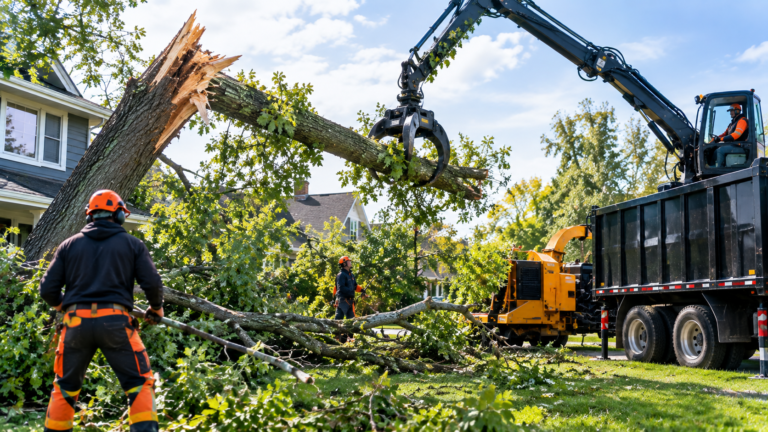
Emergency Tree Removal in Geneseo, NY: Fast Response, Safe Removal
Geneseo gets hit harder by weather than most people expect for a town this size. Lake-effect bands roll off the Genesee Valley…