
Emergency Tree Removal: What to Do When a Tree Falls (Fast Guide)
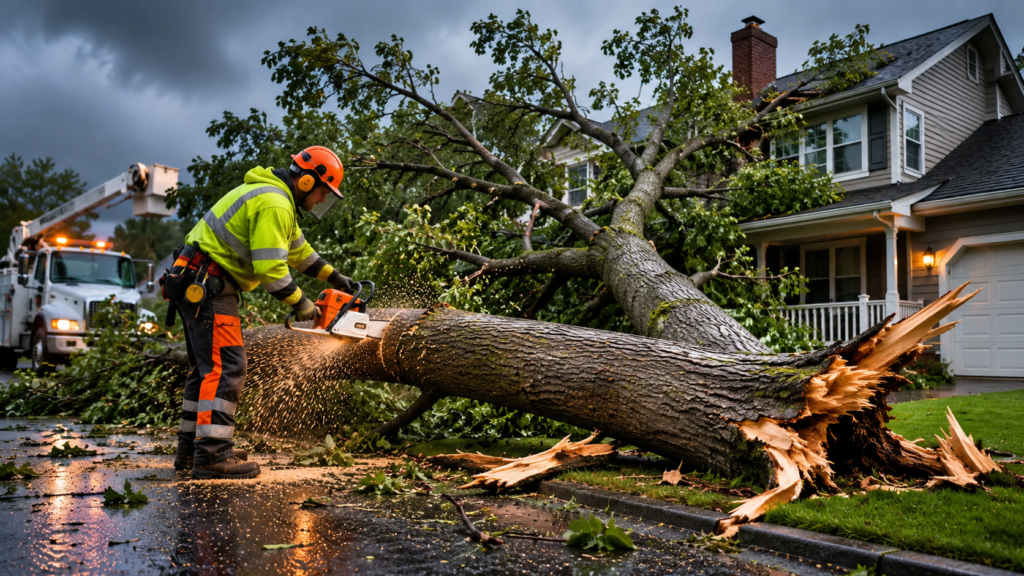
A tree doesn’t usually warn you before it comes down. One minute, the wind is just wind, and the next, there’s a hundred-year-old maple resting on your garage roof. If you’re reading this because a tree just fell on your Geneseo property, take a breath first. Then keep reading.
This guide walks through what actually matters in those first chaotic minutes and what to expect from a real emergency tree removal.
Signs You Have a Genuine Tree Emergency
Not every leaning branch is an emergency. But some situations are, and knowing the difference saves you money and keeps people safe. A tree resting on a structure, blocking a driveway you need for work or medical reasons, or hanging over a power line, is an emergency. So is a split trunk that could go either way in the next gust.
Here’s the thing people miss: a tree doesn’t have to be fully down to be dangerous. A large limb caught in the canopy above, what arborists call a “widow maker,” can drop without notice.
If a storm just rolled through Livingston County and you’re staring up at cracked wood or a trunk leaning at an angle it wasn’t leaning at yesterday, that’s an emergency tree removal situation, not a wait-and-see one.
Genuine emergencies share a few traits. There’s an active risk to people, pets, vehicles, or buildings. There’s structural instability that could worsen with weather or time. And there’s no safe way for an untrained person to assess it further. If any of that sounds like what’s in your yard right now, stop reading the fine print and call someone qualified.
Step-by-Step: What to Do Right After a Tree Falls
First, get everyone clear of the area. Kids, pets, and anyone curious about the damage. Downed trees often bring power lines with them, and a line doesn’t have to spark to be live.
Check for immediate hazards before you do anything else. Look for sagging wires, gas smells, or structural damage to your home that might mean a ceiling or wall is compromised. If you smell gas or see a downed line touching the tree, call 911 and your utility company before anything else.
Document what you can from a safe distance. Photos of the tree, the damage, the angle it fell, and anything useful for insurance later. Don’t get close for a better shot. The phone camera zoom exists for a reason.
Then call a professional for emergency tree service rather than attempting removal yourself, even if you own a chainsaw. This is the point where homeowners often call Galbraith Tree & Shrub, not because the tree looks complicated, but because what’s happening inside the wood is impossible to judge from a driveway.
Trees under tension or leaning against a structure store energy unpredictably, and DIY removal is where a lot of serious injuries happen every storm season.
Finally, secure what you can. Tarps over a roof breach, moving vehicles if it’s safe to do so, and keeping people away from the site until help arrives. That’s really it. Five steps, and the goal of every one of them is the same: nobody gets hurt waiting for the tree to come off the property.
Why 24/7 Availability Matters in Geneseo, NY
Storms in this part of the Genesee Valley don’t check a calendar. Lake-effect snow loads trees in January, microbursts roll through in July, and ice storms have a way of showing up right around the holidays when everyone’s least prepared for them. A 24-hour tree service in Geneseo, NY, isn’t a marketing phrase; it’s a practical necessity for a region that gets hit at odd hours.
Daytime crews can’t always mobilize fast enough when a tree comes down at 2 a.m., blocking the only road out of a rural property. Emergency tree removal near me searches spike during and right after storms, and for good reason. People need someone who picks up the phone at midnight, not voicemail, and a callback in the morning.
There’s also a safety angle most people don’t think about until it affects them. A tree blocking a driveway overnight isn’t just inconvenient if someone in the house needs to get to a hospital or to work for a 6 a.m. shift. Around here, that’s not rare.
Insurance Claims for Emergency Tree Removal
Insurance is where a lot of homeowners get confused, and understandably so. Whether storm-damage tree removal is covered usually depends on what the tree hit, not just that it fell. A tree on your roof, garage, or fence is typically covered under most homeowner policies. A tree that simply fell in the yard without hitting anything often isn’t, even though removal still costs money.
Document everything before cleanup starts if it’s safe to do so. Photos, the date and time, and weather conditions if you know them. Most insurers want an itemized estimate, and a reputable tree company will provide one in writing, not a verbal number scrawled on a business card.
One thing worth knowing: get the estimate before agreeing to work whenever the situation allows it. Storm chasers show up after every major weather event, offering rock-bottom prices, then the final bill looks nothing like what was quoted. A written scope of work protects you either way, whether your insurer is paying or you are.
How Galbraith Responds to Storm Calls
When the phone rings after a storm, the first question is about people, not trees. Is anyone hurt? Is the tree actively unstable? Is there a structure at risk right now? Those answers determine how fast a crew gets dispatched and what equipment goes out first.
Triage matters more than most homeowners realize. A tree on a roof with a family still inside the house gets a different response time than a tree down in an empty side yard. Galbraith Tree & Shrub treats every call seriously, but not every call carries the same urgency, and being honest about that helps everyone get help faster.
Crews show up with the right gear for dangerous tree removal in Geneseo: rigging equipment, bucket trucks where access allows, and a plan worked out before a single cut is made. No guessing once boots are on the ground.
Safety Protocols Our Crew Follows On-Site
Every job starts with an assessment, not a chainsaw. That means looking at lean direction, checking for hidden rot or cracks, identifying tension points, and figuring out where the tree wants to go versus where it needs to go.
Power lines get a wide buffer, always, even ones that look dead. PPE isn’t optional for anyone on the property line, let alone the crew doing the cutting. Rigging and rope work control the direction of a fall so wood doesn’t land where it shouldn’t, which matters even more on a tight residential lot than out in open land.
Communication on-site keeps everyone working off the same plan. Crews talk through each cut before it happens, not after something’s already moving. It’s a slower process than it looks from the curb, and that’s by design.
Preventative Inspections to Avoid Future Emergencies
Most emergencies have a backstory. A tree that comes down in a windstorm was usually compromised long before that storm, just nobody noticed, or nobody knew what to look for. Regular inspections catch the early signs: dead limbs, fungal growth at the base, soil heaving near the roots, or a lean that’s gotten worse year over year.
Geneseo’s mix of mature hardwoods and harsh winters means trees take a beating most homeowners never see up close. An inspection every couple of years, especially for large trees near the house or driveway, costs far less than an emergency call and a lot less than the deductible on a roof claim.
If your property has trees you’ve never had a professional look at, that’s worth fixing before the next big storm, not after. Galbraith Tree & Shrub offers inspection visits separate from emergency calls, for exactly this reason.
Frequently Asked Questions
How fast can emergency tree removal happen after I call?
Response times vary by storm severity and how many calls are coming in at once, but genuine emergencies involving structures or blocked access get prioritized. Most crews aim to assess the situation within hours, sometimes faster depending on conditions and crew availability that day.
Will my homeowners’ insurance pay for a fallen tree?
Usually, yes, if the tree damaged a structure like a roof, garage, or fence. If it fell in an open yard without hitting anything, coverage is less likely. Check your specific policy, since terms vary, and document the damage with photos before cleanup begins.
Is it safe to remove a fallen tree myself?
Not usually. Trees under tension, leaning on structures, or tangled in power lines store unpredictable force. Chainsaw injuries spike after storms for exactly this reason. It’s worth paying for a professional rather than risking a serious injury to save a little money.
What counts as a dangerous tree versus just an ugly one?
A dangerous tree shows structural red flags: cracks, worsening leaning, exposed roots, or dead wood overhead. An ugly tree might just need pruning. If you’re unsure which one you’ve got, a quick professional look is cheaper than guessing wrong.
Do you really operate 24 hours in Geneseo?
Yes, storm damage doesn’t wait for business hours, and neither should the response to it. Overnight and weekend calls get the same priority as weekday ones when there’s an active risk to people or property involved.
What should I do while waiting for a crew to arrive?
Keep everyone clear of the area, especially near downed lines or unstable limbs. Take photos from a safe distance for insurance purposes. Don’t attempt cleanup or removal yourself, and move vehicles only if it’s clearly safe to do so.
How do I know if a tree near my house needs inspection now?
Watch for new leaning, cracked bark, mushrooms growing at the base, or large dead branches in the canopy. Any of those after a storm or over a season is worth a professional look before it becomes an emergency call.
Response times vary by storm severity and how many calls are coming in at once, but genuine emergencies involving structures or blocked access get prioritized. Most crews aim to assess the situation within hours, sometimes faster depending on conditions and crew availability that day.
Usually, yes, if the tree damaged a structure like a roof, garage, or fence. If it fell in an open yard without hitting anything, coverage is less likely. Check your specific policy, since terms vary, and document the damage with photos before cleanup begins.
Not usually. Trees under tension, leaning on structures, or tangled in power lines store unpredictable force. Chainsaw injuries spike after storms for exactly this reason. It’s worth paying for a professional rather than risking a serious injury to save a little money.
A dangerous tree shows structural red flags: cracks, worsening leaning, exposed roots, or dead wood overhead. An ugly tree might just need pruning. If you’re unsure which one you’ve got, a quick professional look is cheaper than guessing wrong.
Yes, storm damage doesn’t wait for business hours, and neither should the response to it. Overnight and weekend calls get the same priority as weekday ones when there’s an active risk to people or property involved.
Keep everyone clear of the area, especially near downed lines or unstable limbs. Take photos from a safe distance for insurance purposes. Don’t attempt cleanup or removal yourself, and move vehicles only if it’s clearly safe to do so.
Watch for new leaning, cracked bark, mushrooms growing at the base, or large dead branches in the canopy. Any of those after a storm or over a season is worth a professional look before it becomes an emergency call.
Don’t Wait for the Next Storm to Hit
Downed maples and split oaks don’t fix themselves, and waiting only increases the risk to your home and family. At Galbraith Tree & Shrub, we know exactly how unpredictable Genesee Valley weather can be, from heavy lake-effect snow to sudden summer microbursts.
Whether you’re dealing with an urgent hazard right now or want to inspect a leaning hardwood before the next high wind, we have Geneseo and Livingston County covered.
Got an Emergency? Call our 24/7 rapid-response line at (585)6343800 immediately.
Keep Reading
More from the blog
Practical guidance on looking after the trees on your property.
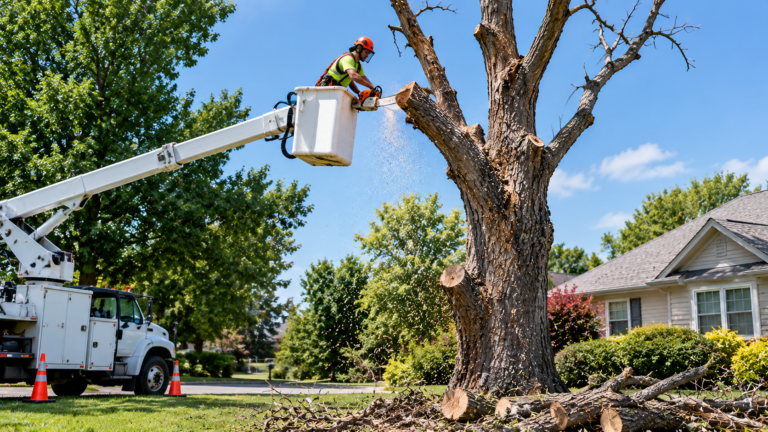
Dead Tree Removal Geneseo: When to Remove & Safety Risks
A dead tree rarely announces itself. One summer the maple by the driveway leafs out late, the next it doesn’t leaf out…
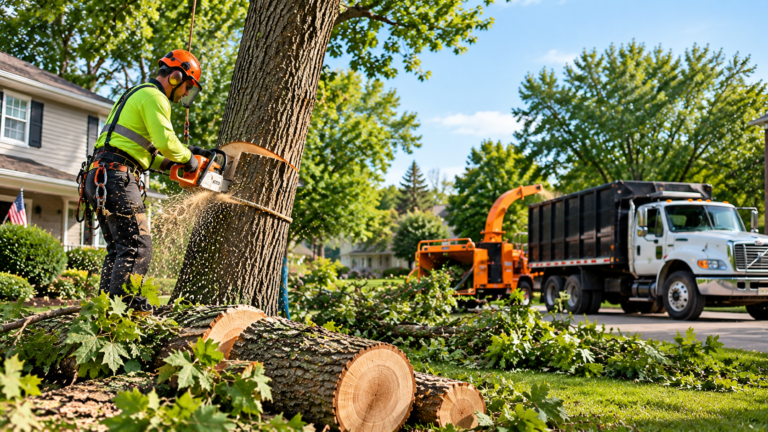
Affordable Tree Removal Near Me: Budget Options Without Compromising Safety
When a tree becomes damaged, diseased, unstable, or simply outgrows its space, removing it may be necessary to protect your property. However,…
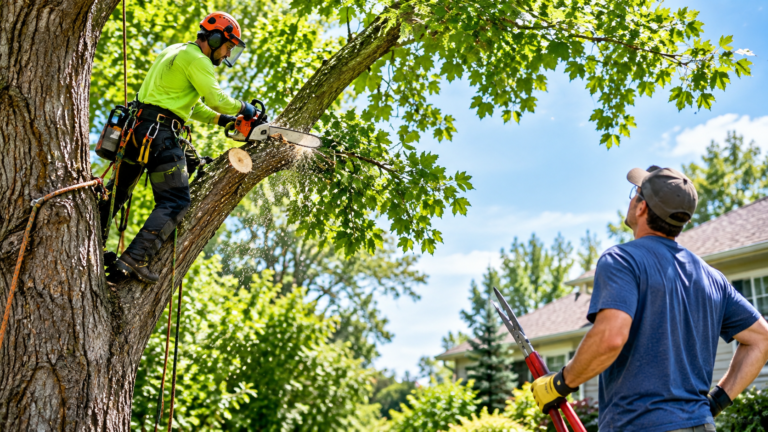
Tree Trimming Company Guide: Certified Arborists vs DIY (Why It Matters)
A branch hangs over your roof, and you wonder if you can handle it yourself. Maybe you can. Plenty of trimming is…