
Tree Trimming vs Tree Pruning: What’s the Difference & When Do You Need Each?
Most homeowners use “trimming” and “pruning” as if they mean the same thing.
They don’t, and knowing the difference can save your trees from years of stress you never meant to cause. If you’ve been searching for a tree trimming company or typing in tree trimming Geneseo, NY, late at night after a storm, this guide walks through what each job actually does, when to schedule it, and how to spot trouble before it costs you a tree.
We’ve spent years climbing, cutting, and diagnosing trees across Livingston County, and the confusion between these two terms is one of the most common questions we hear on job sites.
Trimming vs Pruning: A Clear Definition
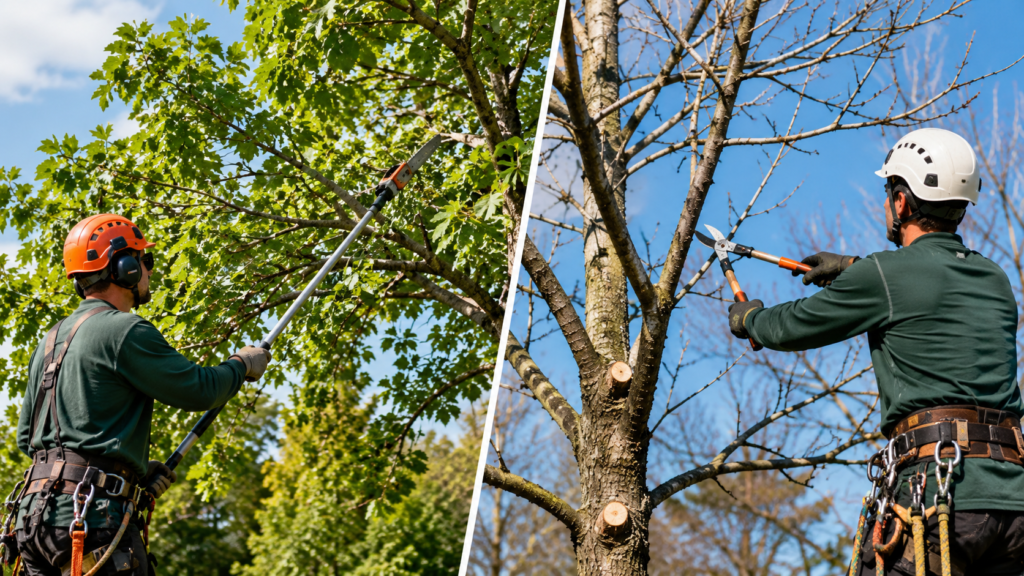
Trimming and pruning aren’t interchangeable, even though most people treat them that way. Trimming is mostly about shape and size. It removes overgrown branches, keeps a tree looking neat, and clears space away from your house, driveway, or power lines.
Pruning goes deeper.
It targets the health of the tree itself, cutting out dead, diseased, or crossing limbs so the tree can grow stronger and live longer. A good tree trimming company will explain which one your tree actually needs before they ever pick up a saw.
Pruning decisions require understanding species biology, growth patterns, and wound response. Trimming leans toward aesthetics and clearance.
When Over-Trimming Damages Your Tree’s Health
Here’s where a lot of well-meaning homeowners get into trouble.
Removing more than 25 percent of a tree’s live canopy in one season puts real stress on the tree. Over-trimmed trees struggle to photosynthesize enough to feed their root systems, which weakens them right when they need strength most.
We’ve seen mature oaks and maples in Geneseo yards decline for years after an aggressive trim from someone who didn’t understand crown reduction.
The tree doesn’t die right away.
It just gets weaker, more vulnerable to pests, and slower to recover from storm damage. If your tree looks thin or patchy a year after trimming, that’s usually the reason. Tree health and crown reduction go hand in hand, and cutting too much too fast almost always backfires.
Best Seasons for Trimming Different Tree Species
Timing matters more than most people realize. Late winter, when trees are dormant, is the safest window for most species because wounds close faster once spring growth kicks in. Maples and birches are different.
They bleed heavily if cut in late winter or early spring, so we wait until after the leaves are fully out, usually early summer. Oaks need special care, too. Cutting oaks between April and July raises the risk of oak wilt, a disease that spreads fast and kills trees within a season or two.
Flowering trees like dogwoods and cherries should be trimmed right after they bloom, not before, or you’ll cut off next year’s flowers. A seasonal tree trimming schedule built around your specific species keeps your trees healthier and saves you money on emergency work later.
Safety: Why Trimming Near Power Lines Is Dangerous
Branches growing into power lines are one of the most common calls we get, and they’re also the most dangerous work we do. Even a line that looks dead can carry enough current to kill someone instantly, and green wood conducts electricity almost as well as a person’s body does.
Homeowners sometimes try to handle this themselves with a pole saw, not realizing how far electricity can arc without direct contact. Utility companies have their own crews for lines they own, but branches on your property that threaten a line still need a trained hand.
We carry insurance specifically for line-clearance work, and we coordinate with the utility company when a job requires it. This isn’t a spot to save money by doing it yourself.
Call a professional every time.
Our ISA-Certified Trimming Approach
Galbraith Tree & Shrub trains our climbers to ISA standards, which means every cut follows the same logic an arborist would use on a diagnostic visit. We look at branch collars, growth direction, and included bark before we ever make a cut, because a bad cut point can open a tree up to decay for decades.
Our crews use the three-cut method on larger limbs to prevent bark tearing, and we clean tools between jobs to avoid spreading disease between properties. Every trim starts with a walk around the tree, not a ladder. That walk is where we catch the stuff that matters, like a hidden crack or a lean that changes our whole plan.
It’s slower than rushing straight to cutting, but it’s why our work holds up.
Cost Factors for Trimming Jobs
Pricing on trimming work depends on more than just tree size.
Access matters a lot. A tree next to a fence line or over a shed takes longer and needs more careful rigging than one standing alone in an open yard. Height and species play a role too, since a 60-foot silver maple takes more time and equipment than a 20-foot ornamental pear.
Disposal adds cost as well, especially if you want the wood chipped and hauled rather than left in a pile. Most tree maintenance services in this area price by the job rather than a flat hourly rate, since every tree and property is different. Getting a walk-through estimate beats guessing over the phone every time.
Signs Your Tree Needs an Urgent Trim or Prune
Some problems can wait until your next scheduled visit.
Others can’t.
Watch for large dead branches hanging in the canopy, cracks running along the trunk, or a sudden lean that wasn’t there before, especially after a storm. Bark that’s splitting, sap oozing from a wound, or fungus growing at the base are all signs the tree is already struggling. If a branch is resting on your roof or hanging over where your kids play, don’t wait for it to fall on its own.
These situations call for someone searching “tree pruning near me” to get help fast, not schedule it for next month. When in doubt, a quick phone call and a photo can tell us whether it’s urgent.
A Final Word
Knowing the difference between trimming and pruning changes how you think about tree care altogether.
It’s not just about keeping things tidy. It’s about giving your trees what they actually need, at the right time, for the right reasons. If you’re weighing your options and want an honest read on what your trees need this season, Galbraith Tree & Shrub has been doing this work across Livingston County long enough to know the difference matters.
Reach out, and we’ll walk your property with you before we ever recommend a cut.
Frequently Asked Questions
What’s the real difference between tree trimming and tree pruning?
Trimming shapes a tree and controls its size, usually for looks or clearance. Pruning removes dead, damaged, or diseased wood to improve the tree’s health and structure. Most healthy trees need both at different points, but pruning addresses problems that trimming alone won’t fix.
How often should I schedule tree trimming?
Most trees do well with trimming every 2 to 3 years, though fast growers like silver maples may need it more often. Young trees benefit from lighter, more frequent trims to shape their structure early. A seasonal tree trimming schedule tailored to your species works best.
Can I trim my own trees safely?
Small branches within reach of the ground are usually fine to handle yourself with the right tools. Anything requiring a ladder, chainsaw, or work near power lines should go to a professional. The risk of injury or property damage climbs fast once you’re off the ground.
Will trimming hurt my tree if it’s already stressed?
Yes, trimming a stressed tree too aggressively can push it past its limit. We assess overall health first and often recommend a lighter trim, or waiting, until the tree recovers. Removing too much canopy from a weak tree can accelerate decline rather than help it.
What time of year is worst for trimming oak trees?
Avoid cutting oaks between April and July in our region. This window overlaps with oak wilt season, when beetles carrying the disease are most active and attracted to fresh wounds. Late fall through winter is the safer choice for oak trimming here.
How much does professional tree trimming typically cost?
Cost depends on tree size, access, and how much wood needs to be removed and hauled away. A small ornamental tree costs far less than a mature oak near power lines. Galbraith Tree & Shrub provides free on-site estimates so you get an accurate number for your property.
What are the warning signs that my tree needs immediate attention?
Look for large dead limbs, cracks in the trunk, sudden leaning, or fungus growing near the base. Sap oozing from wounds or bark that’s splitting are also red flags. If you spot any of these, call sooner rather than later to avoid storm damage or failure.
Trimming shapes a tree and controls its size, usually for looks or clearance. Pruning removes dead, damaged, or diseased wood to improve the tree’s health and structure. Most healthy trees need both at different points, but pruning addresses problems that trimming alone won’t fix.
Most trees do well with trimming every 2 to 3 years, though fast growers like silver maples may need it more often. Young trees benefit from lighter, more frequent trims to shape their structure early. A seasonal tree trimming schedule tailored to your species works best.
Small branches within reach of the ground are usually fine to handle yourself with the right tools. Anything requiring a ladder, chainsaw, or work near power lines should go to a professional. The risk of injury or property damage climbs fast once you’re off the ground.
Yes, trimming a stressed tree too aggressively can push it past its limit. We assess overall health first and often recommend a lighter trim, or waiting, until the tree recovers. Removing too much canopy from a weak tree can accelerate decline rather than help it.
Avoid cutting oaks between April and July in our region. This window overlaps with oak wilt season, when beetles carrying the disease are most active and attracted to fresh wounds. Late fall through winter is the safer choice for oak trimming here.
Cost depends on tree size, access, and how much wood needs to be removed and hauled away. A small ornamental tree costs far less than a mature oak near power lines. Galbraith Tree & Shrub provides free on-site estimates so you get an accurate number for your property.
Look for large dead limbs, cracks in the trunk, sudden leaning, or fungus growing near the base. Sap oozing from wounds or bark that’s splitting are also red flags. If you spot any of these, call sooner rather than later to avoid storm damage or failure.
Keep Reading
More from the blog
Practical guidance on looking after the trees on your property.
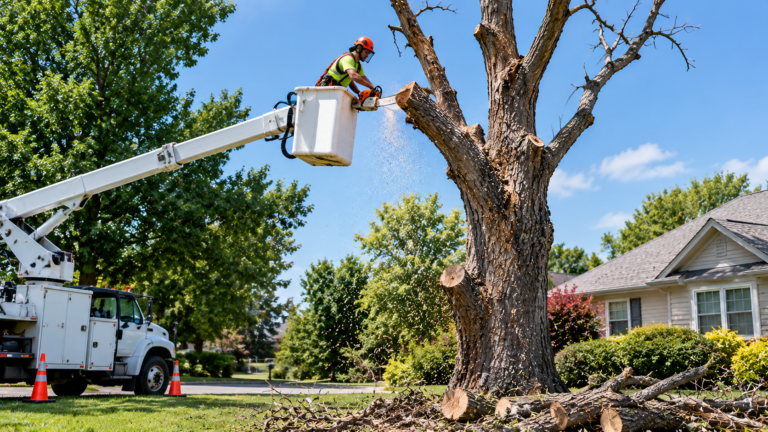
Dead Tree Removal Geneseo: When to Remove & Safety Risks
A dead tree rarely announces itself. One summer the maple by the driveway leafs out late, the next it doesn’t leaf out…
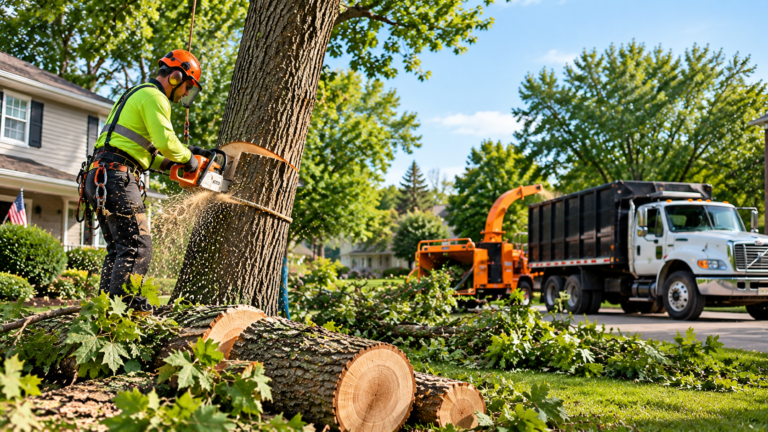
Affordable Tree Removal Near Me: Budget Options Without Compromising Safety
When a tree becomes damaged, diseased, unstable, or simply outgrows its space, removing it may be necessary to protect your property. However,…
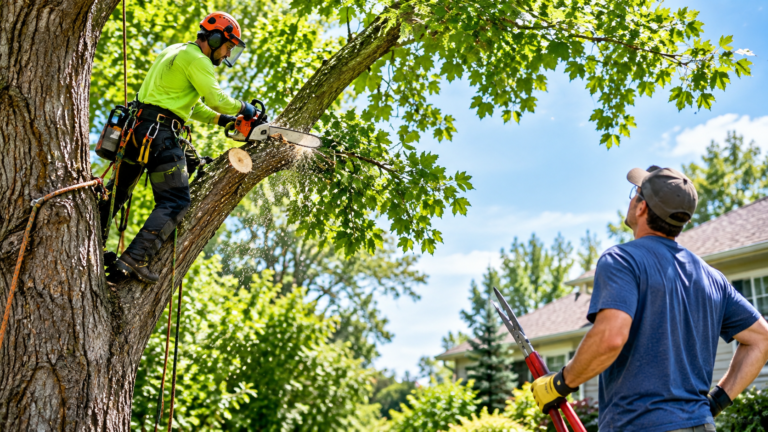
Tree Trimming Company Guide: Certified Arborists vs DIY (Why It Matters)
A branch hangs over your roof, and you wonder if you can handle it yourself. Maybe you can. Plenty of trimming is…